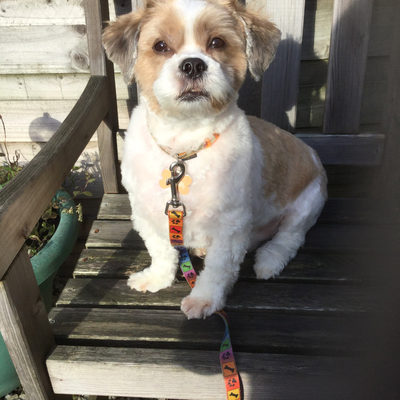
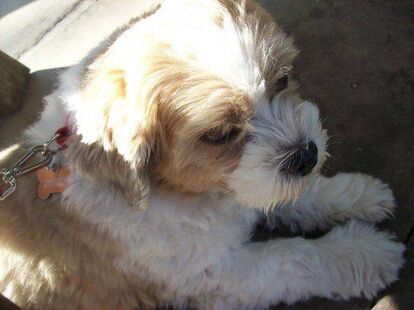
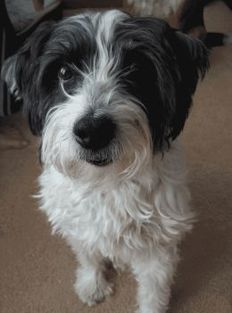
 Tinka on holiday Tinka on holiday Why Take Our Dog Tinka On Vacation? Tinka is a rescue dog, one of six dogs we have shared our home with over more than 45 years. Most of those dogs have been of the rescued variety and all have been very loving. Tinka is the smallest dog to live with us and in some ways has been the most problematic. After his owner died this little dog was passed around and became known as a biter. We were his last hope or he would be put to sleep. Six years on he is mostly a very loving sociable dog but he hates going into kennels. We decided a couple of years ago to take him with us on a one-week stay at a dog friendly apartment in Whitby. It went so well that we have returned since for a two-week stay. 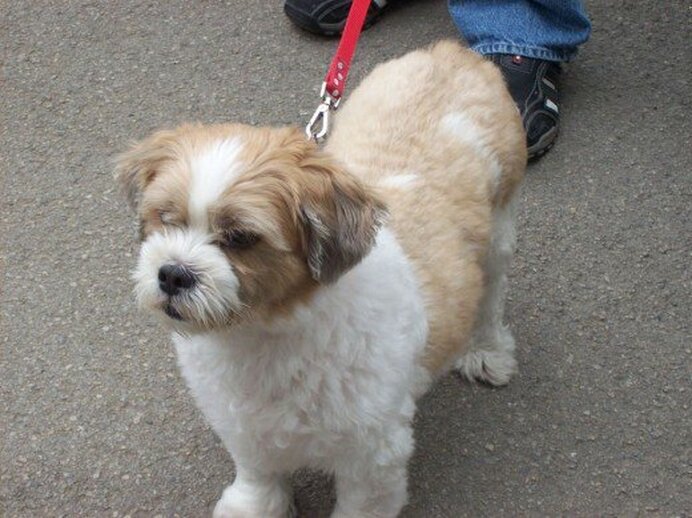 Tinka Visited So Many Places With Us Where To Stay First things first then and where will you stay? The Internet is a great research tool and should prove very helpful. Simply search for Dog Friendly Accommodation and see what comes up. Good options are-
Remember it is your vacation primarily and so ideally should suit you too. Getting there The next hurdle is planning your journey. If you plan on driving your own vehicle fine but if you want to use public transport there are some things to consider. Previously we visited Menorca and Tinka stayed in kennels for two-weeks. However we chatted with a lovely young couple staying at the same Menorca hotel who had brought their dog on vacation. They were from Switzerland but it was proving to be a costly vacation for them. They were travelling around the island of Menorca but dogs are not allowed on local buses. This couple did not drive so could not hire a car. This meant paying for taxis and worse still some taxi drivers would not transport their dog. Their vacation was proving difficult as well as expensive. This highlights the importance of researching all aspects of a vacation with a pet included before you book and before you travel. In England:-
There are various regional differences. Locally bus drivers often refuse to carry more than one dog if the animals are with different passengers. In North Yorkshire multiple dogs on buses were not a problem. To be fair Whitby and the surrounding area is very dog friendly. Your pet will usually be allowed in shops, cafes, pubs and some restaurants in that area but it is always wise to ask first. Not all parts of the U.K. are so dog friendly.
General Advice, Hints and Tips
It is up to you to decide if it is fair and a good idea to take your dog on a foreign vacation. If you are taking an extended vacation it may be worth considering. The U.K. rules for taking a dog with you out of the country are the dog must-
Remember Clean up after your dog!
0 Comments
 In the UK many animal rescue and welfare charities offer pets on a temporary, foster basis as well as for adoption into a permanent home. The rules tend to be much the same for adoption as for fostering in that:-
Find out as much history as you can about your prospective foster pet to ensure that you are well suited. Make sure that you are fully aware of any cost implications. At least one of our local dog rescue charities contributes towards the cost of a foster pet. In one case all the vets bills are paid for, whilst the other charity pays for everything including food for the dog. This may sound expensive for the charity but it is cheaper, and better for the animal, than keeping it in kennels. When we took a foster dog into our home the initial cost of spaying, after her first season, was paid for by the charity and that was all. However we never really asked for anything else and I suppose, as with most things in this life, it is up for negotiation. One thing though that I would like to mention is prepare yourself for separation and always keep in your mind that your foster pet is temporary. More than ten years down the road Jessie our foster dog is still with us and I guess she is going nowhere. If I could have been sure that a good home was found for her when she was young I would have willingly parted company with her, however my husband within a short time became so attached to Jess that she was given permanent fixture status. Fostering an animal, especially if you are not able to re-home on a permanent basis, is very worthwhile and rewarding. Usually both the family and the animal benefit from the experience. Remember though that some animals in desperate need of a new home may have many problems. Our Jess had been very ill-treated despite her young year when she came to us. Consequently she was a very naughty dog for a few months and very hard work. Suffice to say she is not now but those first few months were a testing time for all. Contact a local charity to discuss the options for fostering an animal. It may be that you will be accepted as a regular foster owner. There is also the option to foster an animal you may never actually meet simply on a monetary basis. Some animal sanctuaries advertise for long distance fosterers who will supply the money needed for the animal to survive. With regular small payments it is possible to contribute vitally to an animal's well-being. Foster certificates are on sale online and make great gifts for Christmas and Birthdays. Check out 'Sponsor' a rescued Dog at Hillside http://www.onewomansomanyblogs.com/animals/when-your-dog-goes-blind-jessies-story 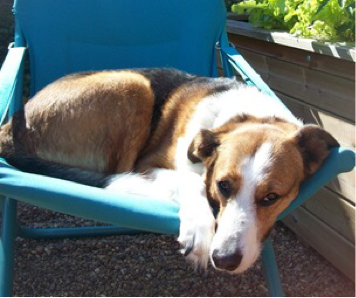 Jessie loved sunny days
Caring for a dog through the good and the bad times - It is always sad when any creature is coming to the end of its life. In the case of a dog dying it could be an animal that you have found after an accident, or your own beloved pet whose life is coming to an end. Whatever the circumstances, the role that you play in the animal's final days will be important.
So often a dog will not just quietly slip away in its sleep but rather YOU will have to make the choice to euthanize. Knowing that this is the right decision does not make it any easier. However before that stage of your pet's life you may have to care for a dog which is terminally ill. These days there are many options available to extend a pet's life comfortably, treat various life threatening conditions and keep a pet out of pain. If your dog has a terminal illness it does not necessarily mean that you have to euthanize it immediately. Instead you and your pet can enjoy what time there is left and make the right choice when it is appropriate. Bear in mind though that you must not extend the life of an animal that is suffering. Getting the right diagnosis Just like people dogs need to have the right medical diagnosis. You should never vaguely guess at what is going on with your dog's health or try to medicate the animal yourself without checking with a veterinary professional first. Before you visit the veterinarian try to think about the physical, mental and general health changes in your dog. Make a note of those that are relevant or new so that you will not forget any when you are in the surgery. Any or all of these could help your vet make the right diagnosis. Follow the Veterinarian’s Instructions Your vet may need to undertake tests or investigations of your pet before he or she can make a proper diagnosis. This can be expensive but is vital for your dog. Once a diagnosis has been made your vet may offer a few solutions. Depending on the animal's condition the vet may advise euthanasia. This will usually only be in severe cases. However, although you cannot be forced to make such a choice, the animal's well being must be paramount. Alternatively the vet may give your animal a course of treatment or even medication for life. This may not be easy and can be expensive. You must follow the vet's instructions though. If your animal needs its medication four times a day then that is what it must have. Unless you can offer the commitment necessary you are being cruel keeping a sick animal alive. Illnesses that could be the cause Dog's can suffer from various life threatening illnesses. Some are treatable whilst others will require ongoing treatment and TLC, tender loving care, until the dog's death. The vet will no doubt tell you when they have done all that they can. Your dog still may be quite comfortable but the prognosis will not be good. This is when you need to care for your animal appropriately until it is time to say your goodbyes. Such illnesses can be:
The dying animal If a dog is literally dying in your arms. there may be little you can do. If it is due to an accident the basics of first aid apply just as they do to a person. A veterinarian should be contacted at once so that treatment can be given. In the mean time keep the dog warm, calm and in a quiet environment if possible. When you have a dog as a pet that has a terminal condition keeping him comfortable will depend on many things. For example: If your dog has heart disease it would be cruel to keep it indoors all the time with no exercise. What you need to do is adjust your animal care routine. Adjusting your dog care routine On the whole it is all about being sensible. A dying dog may need more of your time, energy, thought and love but your pet is surely worth it, isn't it? However, it can be difficult. Consider:
Enjoy the time you have left Make sure that you and your pet enjoy the time that the dog has left. This will not always be possible but it is worth trying. Extra cuddles, strokes and love will help all of you. Know when it is time to say goodbye However much you prepare yourself for the death of your animal it will be hard. It is often just as hard for any other dogs that live with you. Consult your vet about how to make those final steps less traumatic for all concerned. Ideally, after loving and caring for your animal for so long, you want its death to be as painless as possible. Half the battle is knowing and admitting when it is time to say goodbye to your pet. A dog may live years with a life threatening condition, almost thriving on its medication. Suddenly out of the blue all of this could change. However hard it is, you must admit when it is no longer fair to keep your pet alive. There comes a time when to do so would be purely for selfish reasons. If you love your pet you have to let it go when the time is right. Often a pet will let you know when it is time, or simply your gut instinct will tell you. Listen to your heart and make the right choice. If you are in any doubt consult your veterinarian. You will need
Tips & Warnings
http://www.dailypuppy.com/articles/how-to-care-for-a-dying-dog_1552.html 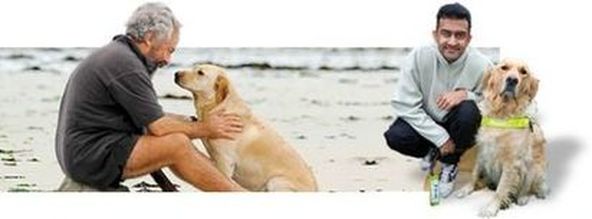 As a child in fifties Great Britain I only had a vague knowledge of what a guide dog for the blind was. At school and at home children would save the foil tops from milk bottles "for a blind dog". Firstly I thought that we were saving up for a dog that was blind and, even when the truth was explained to me, I could not understand just how these foil lids could provide a guide dog.
The top and the bottom of the matter is that training a guide dog for a blind person takes time, effort and, as usual, money. Despite the worthiness of guide dogs to this day funding is never enough. The guide dog concept dates back to the First World War During this conflict, the Great War, which ran from 1914 until 1918 dogs in Germany were trained to lead soldiers who had been blinded. Dogs are such willing learners and far more capable than many people give them credit for. Both the trainers and the animals deserve huge thanks for the work that has been done since those early days. The Blind Association Guide Dogs group was founded in 1934. From the late 1920's in America, and the early thirties, in the United Kingdom, research into the dog experiences of Germany was taking place. By 1931 the UK had four fully trained guide dogs, for the blind; the guide dogs for the blind association was well underway. The Guide Dog service in the UK has always been a charitable service and getting the appropriate dogs was costly in the beginning. A volunteer program was created so that volunteers could walk young dogs in order for the animal to get the feel of the guide dog life ahead. Soon after a breeding program was started to ensure that there were always suitable dogs available. Guide dogs in the UK tend to be Labradors. These days guide dogs for the blind does not accept collections of milk bottle foil tops to raise funds. I guess with modern milk bottles and cartons these would be in short supply anyway but instead you can donate used stamps, mobile phones and ink-jet cartridges. The cost of training a guide dog for the blind has risen like every other cost in life. This means that the charity needs any help that you can give either financially or physically, more than ever. In the early days of guide dogs, trainee dog walkers were often derided and people did not favour this charity. In the UK many people felt that it was a waste of time and cruel to the animal anyway but how wrong they were. Over the years that they are together an owner and his or her guide dog usually develop a special bond. Ultimately the dog will have to retire in order for the owner to have a safe, fit and well dog acting as a guide. Until that time though a guide dog will be a blind person's eyes and almost constant companion. Many people who are blind hold down challenging jobs these days and their guide dog will usually be welcome in the workplace also. Times have changed and guide dogs for the blind is one way that they have changed for the better. Guide Dogs for the Blind UK
Originally posted in 2015 some stories are timeless.
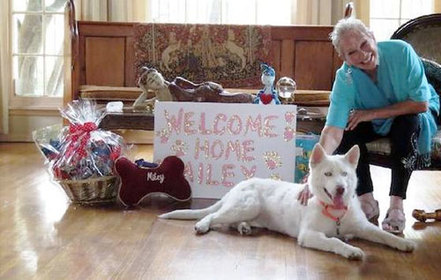
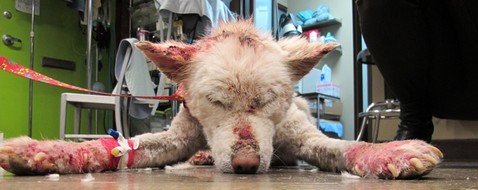
In late 2013 we reported another sad story of a dog's brush with death but at least it was a story of hope and love. "A 1-year-old female Husky dog found at a trash dump was presumed abandoned. It could have been the end for the young dog but she was rescued by a dedicated animal lover named Eldad Hagar. Then there was Frankie. Frankie was a tiny Chihuahua, found living in a drainpipe and rescued, by Hope for Paws; Eldad Hagar works for the Hope for Paws Animal Rescue Organization, in Los Angeles. When Hagar found the young Husky dog at the dump the pup was in a deplorable condition, but now the dog's life is changing for the better. The dog, now called Miley, was in a very poor condition. She was spotted by a man called Daniel. He saw the dog as it walked along the side of a railway track. He took a couple of photos of Miley and sent them to Hope for Paws". The images tugged at heart strings but the story continues: "First he followed the dog, which led him to the trash dump. Then he text-ed the images over to the animal rescue charity, hoping they could help the sad little creature. Eldad Hager, Co-founder of Hope for Paws, said “I’m sure many others must have seen her, but no one attempted to help until Daniel.” "Eldad visited the dump site and found the dog he later named Miley laying down on some filthy cushions amongst the trash heap of old bicycle tires, telephone poles, discarded auto parts and much other unwanted debris. Covered with severe mange, she appeared resigned to her fate. Eldad had been told she had been surviving there for several months. He spent more than an hour with her, giving her food and gaining her trust". The road back to health was not easy for Miley. She was still cautious but that changed when she encountered another canine victim of neglect, a Chihuahua named Frankie Chihuahuas are small dogs but Frankie is tiny weighing a mere three pounds. A young dog, one or two years old, Frankie was living rough in a drainpipe under a busy highway, until Hope for Paws came to the rescue. Frankie and Miley just clicked. Perhaps it was their shared history of neglect but, for whatever reason, they became firm buddies. Both dogs are now doing fine and have a bright future, thanks to the good Samaritans who rescued them and helped turn their lives around". But coming across our earlier report as Christmas 2014 rapidly approached we wondered what had happened to Miley. Was there a happy-ever-after? Yes there was Miley went to the Fuzzy Pet Foundation while he waited for his 'forever-family'. After his sad tale went viral there were plenty of people willing to re-home Miley but he needed and deserved an extra special home. That home was found in February 2014. Miley went to live with Toni and boy does he look happy and well. But what about little Frankie you ask? Frankie, the black Chihuahua also rescued, found his forever home too! He was adopted by a wonderful family in Los Angeles and he now has four siblings, including three (rescued) Chihuahuas and an Australian Cattledog.
Deciding whether to get a dog from a rescue centre, or not
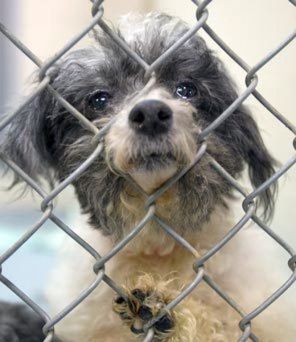
So you have decided that you would like a little four-legged friend, namely a dog, to join your household? Even if you are looking for a specific breed of animal it may be worth checking out your local rescue centres. Believe it or not pedigree dogs do occasionally end up in a rescue centre needing a new home. However, it could be that the dog, pedigree or mongrel, is there because it has behavioural problems or more. Buying a dog from anywhere can be just as fraught with problems though. Even if you buy a puppy, if you are not 100% sure of its first home and parentage, you could be in for a bumpy ride. Personally I would recommend adopting or fostering a dog, or puppy, from a charity as all my rescued dogs have been so successful as pets. We did have one dog that was a slight disaster but he was a stray which we simply rescued from the streets and he did live with us for more than ten years. This woman has never wanted a pedigree dog but there are some fabulous cross-breeds out there if you are a little choosy. These dogs usually have great characters, better health in the long run and less hang-ups. When your new dog is adopted from a rescue centre though you have to accept that this dog will probably come with baggage, and I do not mean an overnight case. Depending on why the dog was in the rescue centre in the first place, the dog could be physically and mentally scarred. It may have been beaten, starved, maltreated in any number of ways or simply neglected. Unfortunately there are all too many sad stories of animal cruelty these days. If you are unsure about adopting a dog, from a rescue centre, you could always try fostering first. This would give you chance to have the dog with you, provide a temporary loving home and could ease the financial burden of having a pet. It can be hard to give up a foster dog though and maybe you would end up adopting after all. However, if you are unsure fostering can really help the rescue charity temporarily, and enable you to assess if a dog is really for you. Fostering sometimes is partially funded by the charity and therefore expensive veterinary bills will probably be paid for by them not you. Remember that when you adopt a dog from a charity there will be some sort of fee and it may be more than you would expect. However this is necessary to prove your commitment to the animal. Finally never discount an older dog. The dog may only be in the rescue centre because its owner has died or had to go into permanent residential care. This could mean that the dog is fully trained and well-behaved but also sorely missing his or her previous owner and home comforts. Sure, you may want a puppy, but I have to say that the dogs we have taken in have all been between one and five-years-old and have all been little darlings. Well most of the time. Dog Rescue Charities in the UK There are many dog rescue charities around the country. Of course it makes sense to search for your new dog with a rescue service that is near to your home. This means that it will be easy to visit the centre, call back if you have problems and is just generally a more sensible idea. The Internet offers lots of information about dog rescue charities, far and wide. Traditionally, in England the RSPCA re-homed dogs however, as animal welfare is such a problem in the UK these days, there are now many smaller charities all over the country. Consider offering your help in other ways, such as dog walking, donations or offering your help at the charity's sales and fairs for example. Hints and Tips
Well get to it! 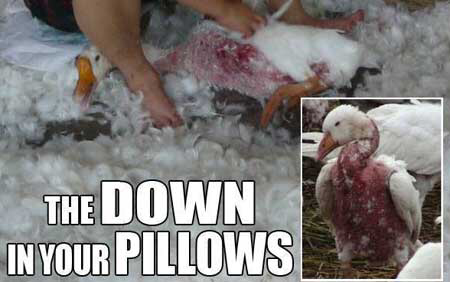 This story is not new but it may be to you. Read it and make the necessary consumer choices to help end this cruelty.
Does mankind have no end to its animal cruelty? Just when you think you have heard and read it all, along comes another harrowing tale. Thank you PETA for bringing this cruelty to our attention: The attached video makes grim viewing. If you feel that you are still happy to buy Down products make sure that you watch it. Please do all you can to make sure such cruelty is stopped. Boycotting Down products is a good place to start. "The cold-hearted and cruel down industry often plucks geese alive in order to get their down - the soft layer of feathers closest to a bird's skin. These feathers are used to produce clothing and comforters, but for geese, the down industry's methods are anything but comfortable. Undercover video footage shows employees on goose farms pulling fistfuls of feathers out of live birds, often causing bloody wounds as the animals shriek in terror. The frightened animals are often squeezed upside down between workers' knees during the painful procedure—in one instance, an investigator photographed a worker who was sitting on a goose's neck in order to prevent her from escaping. Live plucking causes birds considerable pain and distress. Once their feathers are ripped out, many of the birds, paralyzed with fear, are left with gaping wounds—some even die as a result of the procedure. Workers often sew the birds' skin back together without using any anaesthetics. That's not all—buying down can also support the cruelty of the foie gras and meat industries because many farmers who raise birds for food make an extra profit by selling their feathers as well. When these birds are slaughtered, they often have their throats cut or are dumped into tanks of scalding-hot water while they're still conscious. HOW YOU CAN HELP It's impossible to tell whether the down used in the products you buy was obtained from live-plucked birds. The only way to stop live plucking and ensure that no birds suffer for your clothing or bedding is to choose cruelty-free materials. Please make the compassionate choice to sign the pledge to go down-free now! If you haven't already done so, please share this information on Facebook and Twitter with everyone you know so that they, too, can make the compassionate choice to pledge to be down-free. You can also spread the word to everyone that you come in contact with by wearing "Down Hurts" merchandise! That way, everyone will know that the down industry abuses birds.  In these times, when money is an even more precious commodity than usual most of us are looking at ways to economise. If you own one dog, or more, you will know that dog’s can be costly to keep. After the initial buying of the animal there are vaccinations, health checks, pet insurance, miscellaneous expenses and of course dog food. No pet lover would want to economise on a dog’s food if it was going to put their animal’s quality of life, happiness and health in jeopardy but there are ways to reduce your dog feeding bill without doing any of these.
Shop around Do not just buy your dog food from the most convenient store. Shop around and make sure that you compare prices. You will be surprised at just how much the price of a basic tin of dog food can vary from shop to shop. Usually larger supermarkets will offer the best prices. Bulk buy Look around for special offers, promotions and good prices for bulk buying dog food. Usually, for example, if you compare the price, weight for weight, of a dry dog food mixer you will find that it is far more economical to buy a huge bag as opposed to a small one. Store this food well though to prevent it becoming stale. Once the bag is opened tape down the top to keep it airtight. Transfer a weekly amount, for example, into an old biscuit tin, or similar, and store the rest in the garage or shed. Make sure that you do not overfeed your dog, as this is easy to do if you have a large loose amount of dry dog food. If you buy tinned dog food make sure that you buy the largest multi-pack that you can afford, carry and store; as long as the use by date is good this will save you a great deal of money in the long run. See what is available on-line On-line is perfect for bulk buying as long as you know that the seller is reputable and the goods are as advertised. This method of shopping will save you time, money and effort. Goods will be delivered to your door and so you can order as much as you like. Remember to watch out for short use by dates though. Change brands Look at the labels of dog foods to see if the nutritional values are the same on the more expensive dog foods as the cheaper ones. Many dogs actually prefer the cheaper dog foods once they have tried them. A store’s own brands are always cheaper than well known brands and the quality is usually just as good. Dogs, like human beings, get bored with the same old diet anyway and usually like the occasional change of food. Remember though, that a drastic change of diet may upset your dog’s tummy, so use caution. Supplement traditional dog food with other foods Take care if you feed your dog table scraps as many foods that humans consume are not suitable for dogs. Chocolate, grapes, raisins and white bread are prime examples of foods that can harm a dog. However dogs love boiled rice and pasta. Both of these are cheap to buy and are good for the dogs as an occasional treat. When you cook a pan of rice or pasta for the family add a little extra for your dog. Mix some of this with the dog’s food as a cheap alternative to a mixer. Avoid purpose made dog treats Many dog treats are overpriced, unnecessary and bad for your dog. If they are made with more than 30% protein they will make your dog hyperactive. Many of these treats are also fattening for your pet as well as being expensive. Try cutting a few peeled, fresh, raw carrots into snack size chunks and give them to your dog instead. Your dog will love these treats and they are a healthy alternative treat and good for a dog’s teeth. Take care not to over feed them with the carrot though as it may affect the dog’s bowel movements. Additional If you can still buy lungs or lights from your local butcher shop do so. Many butcher’s used to give these away to their customers on request. They can be hard to find on sale these days. Cut the windpipe away from the pair of lungs and then cut each lung into small to medium sized chunks. Boil these for about 20 minutes. They will smell awful to humans but dogs love the smell as the lungs cook. Serve to your dog, when cool, with rice or a dog mixer as a replacement to the wet dog food. Nutritious and very cheap but not for the feint-hearted. If possible buy a few pairs of lungs at a time and freeze those not to be cooked immediately. Overall Use your common sense and take your time when buying dog food. If you rush your shopping you will just grab the first thing that you see which may be the most expensive dog food available. Use any money saving coupons that are genuine savings and appropriate. Plan your shopping well. If you have done your research and know what is a bargain and what is not you will save money. If necessary take a shopping list with you to prevent spur of the moment purchases and to help you stay focused on bagging a bargain.  Dogs may be man's best friend in many ways but, as with all things in this life, there are exceptions to the rule; we should never generalise anyway. Dogs may be man's best friend in many ways but, as with all things in this life, there are exceptions to the rule; we should never generalise anyway. Ever wondered though how dog's became known as man's best friend? When little Fifi rests gently on your lap, it is so easy to forget that this cute dog is related to the wolf family. All the domesticated dogs around today, no matter what breed they are, have their origins in the Wolf family. Their closest ancestors are the coyote, jackal and wolf family of animals. Dogs also have a more distant link to other wild dogs and foxes. The early dogs gathered together to hunt in packs. This was their best chance of survival and it worked. As mankind developed these packs of dogs, others were attracted to the areas where Man had set up camp. Such camps or settlements would include a few families and the dogs were able to scavenge for extra food and warmth. It is thought that a small number of cubs may have been brought into the settlement and raised by the people who lived there. This could have been as the cubs were orphaned. Whatever happened, the relationship began. These semi wild dogs were useful in assisting with hunting for live food, eating discarded food left around the area and guarding the settlement. It is also possible that when food was scarce these dogs became food themselves for their human companions. Dogs evolved over time and man played a part. Dogs were bred to satisfy the requirements of the settlement. With time, this selective breeding led to distinct breeds. Therefore, it would seem that man has had a distinct relationship with dogs for many years. Dogs have been companions and working animals for centuries. Of course, over the years this relationship has changed somewhat, and dogs have adapted. With man less of a hunter-gatherer these days and people in general enjoying a more sedentary lifestyle, dogs are kept more as a pet than as a working animal. However, there are still working dogs such as sheep dogs which are usually Collies, and guard-dogs which may be Alsatians or as they are also known German Shepherd dogs. Man's fascination and love of his four-legged friend, his dog, has meant that there are now kennel clubs around the world, dog shows and various thoroughbred or pedigree animals. Unfortunately, pedigree dogs often have associated health problems, which are bred into the particular breed, due to kennel club demands. Unbelievably there are around seven or eight hundred different breeds of dog around the world. Some are specific to one particular country or region and so may be unheard off in say the USA or the UK. Until recent years, the UK had strict regulations regarding the movement of dogs from other countries, in order to prevent the spread of rabies to its shores. These measures worked and the UK remained rabies free. Currently these regulations have been relaxed a little and it is possible for dogs in the UK to be examined and passed fit for travel. They actually are given a passport, which contains proof of their fitness. Much as people love their dogs, many animals are abused and neglected around the world. Sometimes this is due to ignorance but, more often than not, it is just cruelty. Dogs are still eaten in some countries and, in such places, are seldom euthanized humanely first. The struggle goes on to stop such practices. Check out the World Wildlife Fund for information on how you can help. With neglect of dogs on the increase, there are always far too many dogs in rescue centres, waiting to be re-homed. These dogs often make lovely pets but they may have poor health over the years, depending on the maltreatment, which they have received in the past. Overall dogs make great companions. They are loyal, obedient once trained, fun, will help guard and protect you and your home and will make a faithful friend for many years. Is it any wonder that dogs are called, Man's Best Friend? Personal experiences With six dogs over 40 plus years this blogger has learned one simple fact and that is dogs love to please. All of my dogs, except for one, have been rescued from traumatic situations yet all still wanted nothing more than to please their owner. The cruel acts meted out on these dear animals have varied from cigarette burns, abandonment, starvation and general cruelty to downright neglect. However, each dog's overwhelming desire, once we had got to know each other, was to please us. A dog's eyes are constantly upon you assessing your mood and trying to anticipate your next move. However, this is never done in a suffocating way, as a person might. It is always on the human being's terms. Dogs do not argue back but blindly follow your lead. In the training stage this may not always be true but, if you become the pack leader, your dog will follow you. On the whole dogs are not very demanding creatures and simply require grooming, fresh water, food, exercise, a home and love. Whether, in the case of my dogs, this desire to please be because they were just so happy to get a good home at last, or the 'man's best friend' syndrome, I do not know. I do wonder sometimes at a dog's loyalty to a cruel owner and why the dog just doesn't scarper at the first opportunity. One of my dogs was regularly thrown, quite literally, through the glass windows of the home, along with the furniture, when her horrible, previous owners were having an argument. To this day I do not really know why she just did not take a risk and run off once she was outside. I suppose it was fear of the unknown or perhaps blind loyalty to the owner. This loyalty in a dog is something which some people do not like, I know. Cat owners, and cat lovers, will often see this doggie trait as a failing, especially by comparison to a cat's independent personality. One thing with most dogs though is, that they are very faithful creatures, however misguided this loyalty may be at times. Dogs are obviously not your best friend in lots of ways, unless you are a sad individual with no people and human friends in your life but they are loyal, reliable, accept you, warts and all, will easily forgive your ups and downs and will try to comfort you when they can. As in life, in general, not all dogs will be the same but usually you will find that a dog is yours, come what may, providing that you treat it right. As with people, dogs like friends do occasionally let you down unfortunately. http://www.mans-best-friend.org.uk/history-evolution-dogs.htm 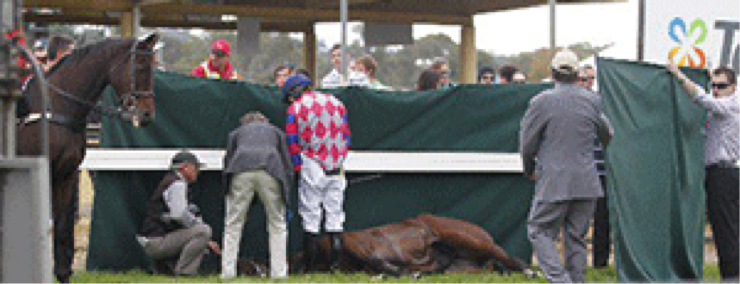 It's Cheltenham Festival 2017 in the UK and race-goers who love the 'sport' will be tuning in on TV or attending the races, placing bets and having a ball but during our horse racing season many animals will be raced to the death. Animal lovers will rightly in this blogger's opinion find it hard to assess horse racing as a sport but it is a big money-spinner and as such will continue. Race Horse Death Watch online keep a tally of animals that have died racing and the figure continues to increase. In 2015 two fatalities at Cheltenham were soon recorded; Theatre Queen was injured in a fall on March 10 and destroyed; Rolling Star fell on March 11 and also died. Sadly this is par for the course. The worst race for horse deaths in the UK can be the Grand National which plays out in April but the Cheltenham festival also has a bad track record. When you look at details of the deaths on Race Horse death watch you realise that the animals involved in racing are enduring fatal falls way too often. And the UK is not alone is using and abusing horses in this way. Lovers of horse racing will disagree and try to spin the situation differently but no person can deny that horses give all they have and often die in the process. For the owners and jockeys there will always be another horse to replace the dead animal. Those involved in horse racing may by and large treat the animals well but in the end they are treat as a piece of equipment that allows a win and a way to make money not a living creature. No matter how horse racing is spun animals die before their time and some are abused along the way. Check out Race Horse Death Watch online for the latest figures. As of March 12, 2015, the total stood at 1244 deaths in 2922 days, that date is from the watch's creation on March 13, 2007, but March 14, 2017 it reads 1507 deaths in 3,655 days! [The Gold Cup takes place on the last day of the Festival, the Friday. This year that’s March 17] Cheltenham http://www.thescavenger.net/social-justice-sp-24912/animals/708-horse-racing-the-hidden-cruelty-revealed.html http://www.peta.org.uk/blog/the-grand-national-8-things-they-dont-tell-you-about-horse-racing/ 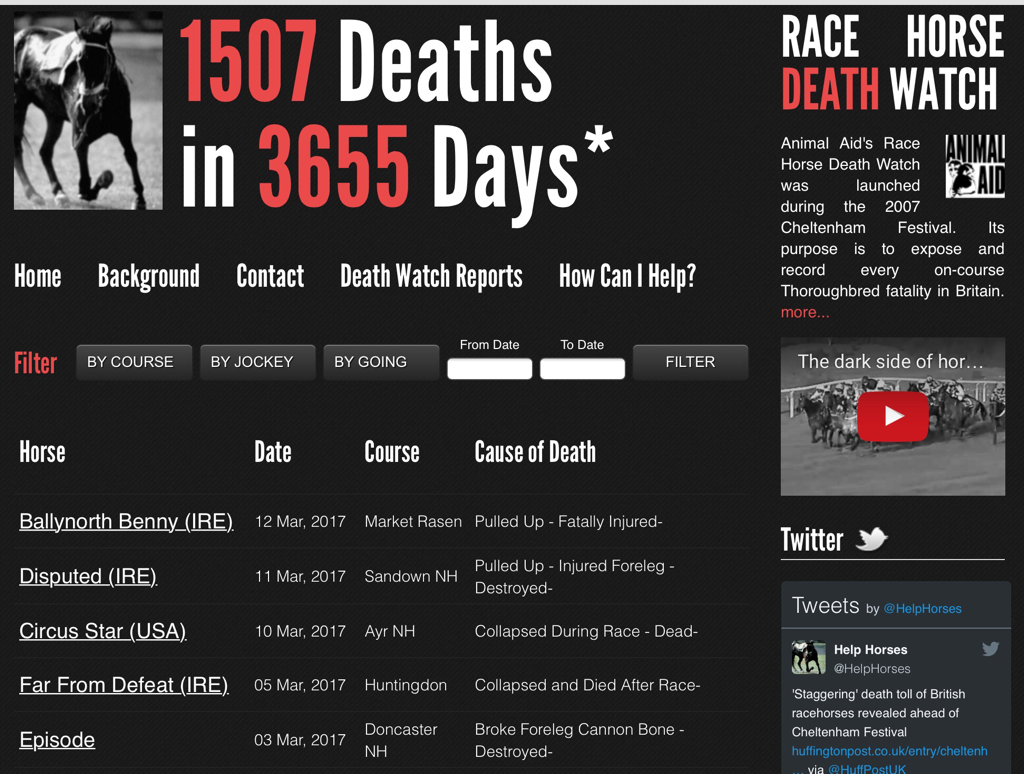 |
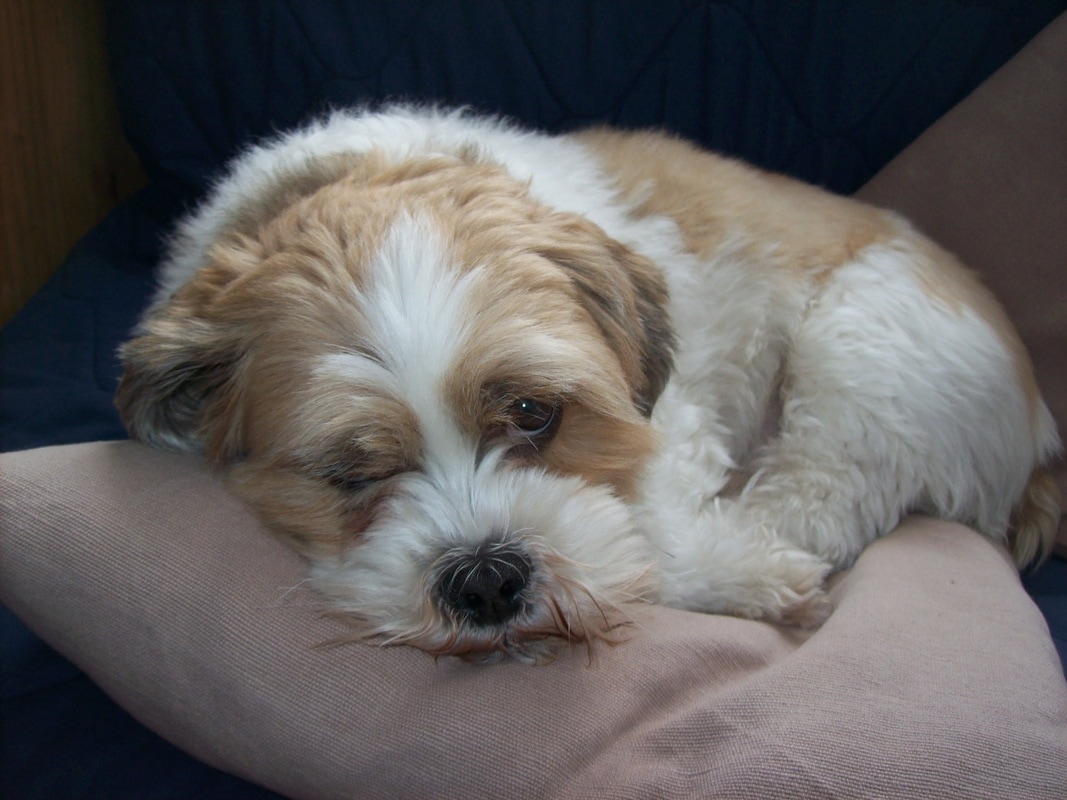
Tinka chilling in his forever home
Archives
September 2018
Categories
All
|



 RSS Feed